
Feel Better Today. Build A Stronger Tomorrow.
Personalized, Science-Backed Strategies and Therapies to Optimize the systems that drive better health and performance

VO2 Max: What it is and why it should matter to you!
No more crude estimates. Find your precise level of exercise intensity to burn fat, maximize recovery, and optimize your performance with VO2 Max testing.

WHAT IS VO2 MAX?
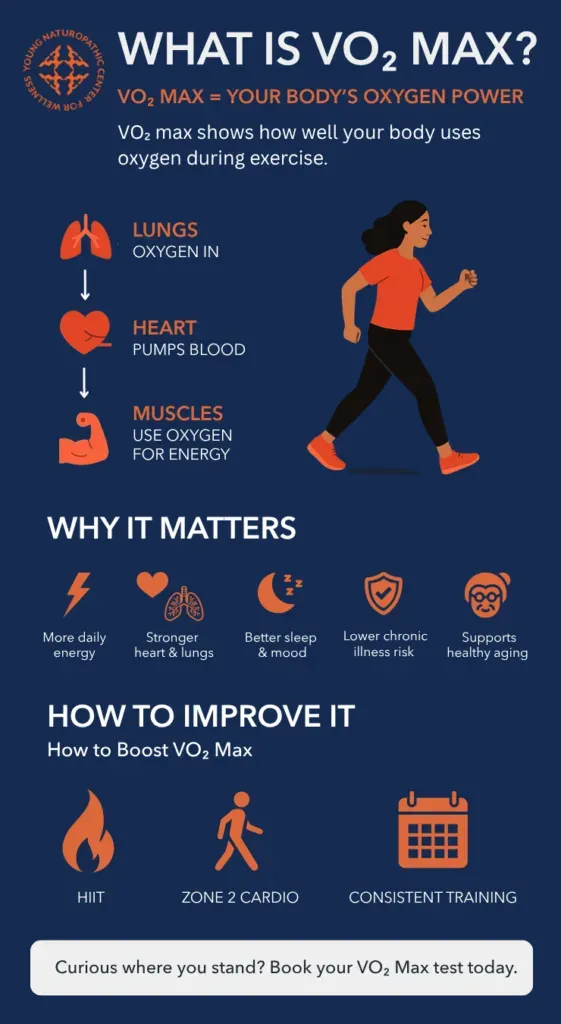
VO2 max is the maximum rate of oxygen consumption measured during incremental exercise.
The name VO2 max is derived from three abbreviations:
"V" stands for volume
"O₂" stands for oxygen
"max" for maximum. The maximum rate of oxygen consumption is also referred to aerobic capacity.
Why is VO2 So Important?
Your VO2 Max is is a reflection of your aerobic power, and your body’s ability to keep performing under strenuous activity for longer periods of time. Calculating your VO2 Max is important for both athletes and non-athletes.
Ultimately, knowing the maximum amount of oxygen you can take in is an important part of cardiorespiratory fitness.
Endurance athletes, like cross country skiers who perform at high level elevations, regularly test and review their VO2 Max numbers. But even if you’re not an athlete, understanding your VO2 Max score is important for your overall cardiorespiratory health.
Resist Rx VO2 Max Assessment
Resist Rx Vo2max test pinpoints your precise Cardio Respiratory fitness level, pure endurance potential, and cardiovascular degeneration. Learn yours if you want to exercise smarter, avoid overtraining, and detect any early signs of disease.
With Resist Rx VO2 Test You will be able to...
1. Increase your energy levels and endurance.
Proper training at your VO2max improves your body’s power grid. It strengthens your heart, improves blood flow and metabolism, and makes your muscles more efficient. Your VO2max itself also increases.
2. Diminish Risk of Disease.
A low VO₂ max (poor cardiorespiratory fitness) is strongly linked to higher risk for several diseases. VO₂ max is one of the best predictors of long-term health and mortality—sometimes even stronger than blood pressure or cholesterol.
Here are the conditions most associated with low VO₂ max:
1. Cardiovascular Diseases
Low aerobic capacity stresses the heart and blood vessels, increasing risk for:
Coronary artery disease
Heart attack
Heart failure
Hypertension (high blood pressure)
Stroke
Atherosclerosis
VO₂ max reflects how efficiently your heart pumps blood—lower efficiency means higher risk.
2. Metabolic Disease
Poor aerobic fitness is closely tied to:
Type 2 diabetes
Metabolic syndrome
Insulin resistance
Obesity (especially visceral fat)
Low VO₂ max reduces the body’s ability to use oxygen to burn fat and glucose.
3. Respiratory Diseases
Lower fitness can worsen or increase susceptibility to:
Chronic obstructive pulmonary disease (COPD)
Asthma (poorly controlled)
Chronic bronchitis
Even mild respiratory limitations can lower VO₂ max.
4. Inflammatory & Immune-Related Conditions
People with low VO₂ max often have:
Higher systemic inflammation (CRP, IL-6)
Increased risk for autoimmune flare-ups
Slower immune response to infections
5. Neurological & Cognitive Disorders
Low aerobic fitness is linked to:
Dementia
Alzheimer’s disease
Cognitive decline
Depression and anxiety
This is because VO₂ influences blood flow and neuroplasticity.
6. Musculoskeletal Conditions
Low fitness correlates with:
Osteoporosis
Sarcopenia (muscle loss)
Chronic pain syndromes
Low functional mobility in aging
7. All-Cause Mortality
Perhaps the most important: People with low VO₂ max have 2–5× higher risk of early death from any cause.
3. Train Smarter Not Harder
Knowing your VO₂ max helps you train smarter, not harder by giving you a clear measure of how efficiently your body uses oxygen during exercise, allowing you to tailor workouts to the exact intensity your system can handle. Instead of guessing, you can target the right heart-rate zones, avoid overtraining, and improve endurance more effectively. This means faster progress, better performance, and safer, more personalized training based on real data—not effort alone.
Work Smarter Not Harder
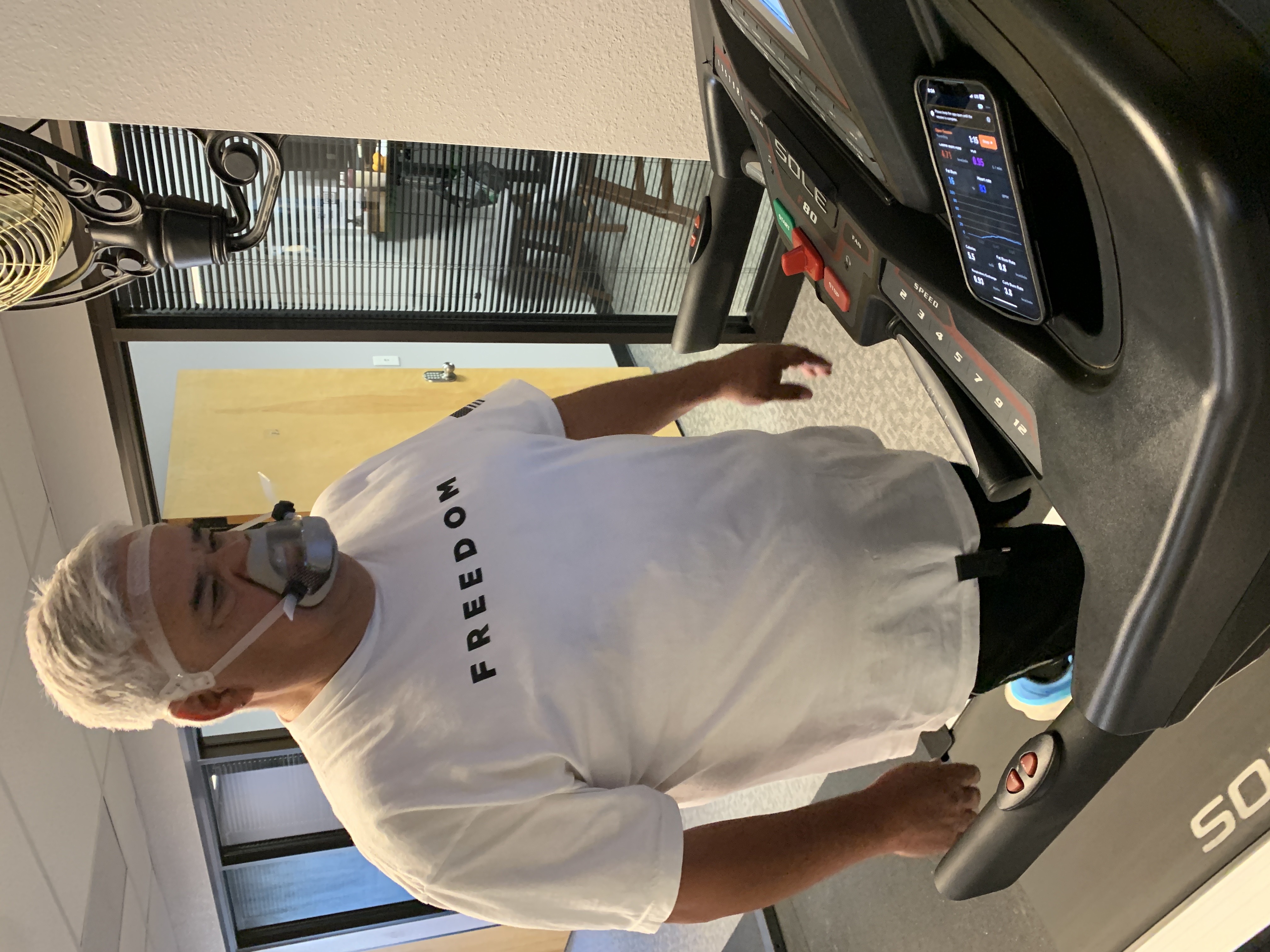
We all have optimal training zones. But most fitness tests only tell you target heart rates based on averages using your age and weight and the general population.
At Resist Rx we Measure YOUR Vo2max, Anaerobic Threshold and precise Target Heart with medical-grade technology.
WE DON'T USE A COOKIE CUTTER APPROACH.
We Identify your Unique Target Intensity Zones
Your VO2 is one of the best indicators for ALL-CAUSE MORTALITY risks (i.e., if your Vo2max is low, you increase your risk of early death)
VO2 testing reveals the exercise level that will optimize a person’s ability to burn body fat. The term “aerobic exercise” has been commonly used in relation to burning fat.
But without VO2 testing, fitness professionals have had to rely on crude estimates to determine what level of exercise intensity would be “aerobic” or fat burning.
With Resist Rx VO2 testing readily available, you can know the precise level of intensity that will maximize your progress, using the same technology as the pros.
Burn More Fat, Feel More Energy
How Is A
VO2 Max Assessment Performed?
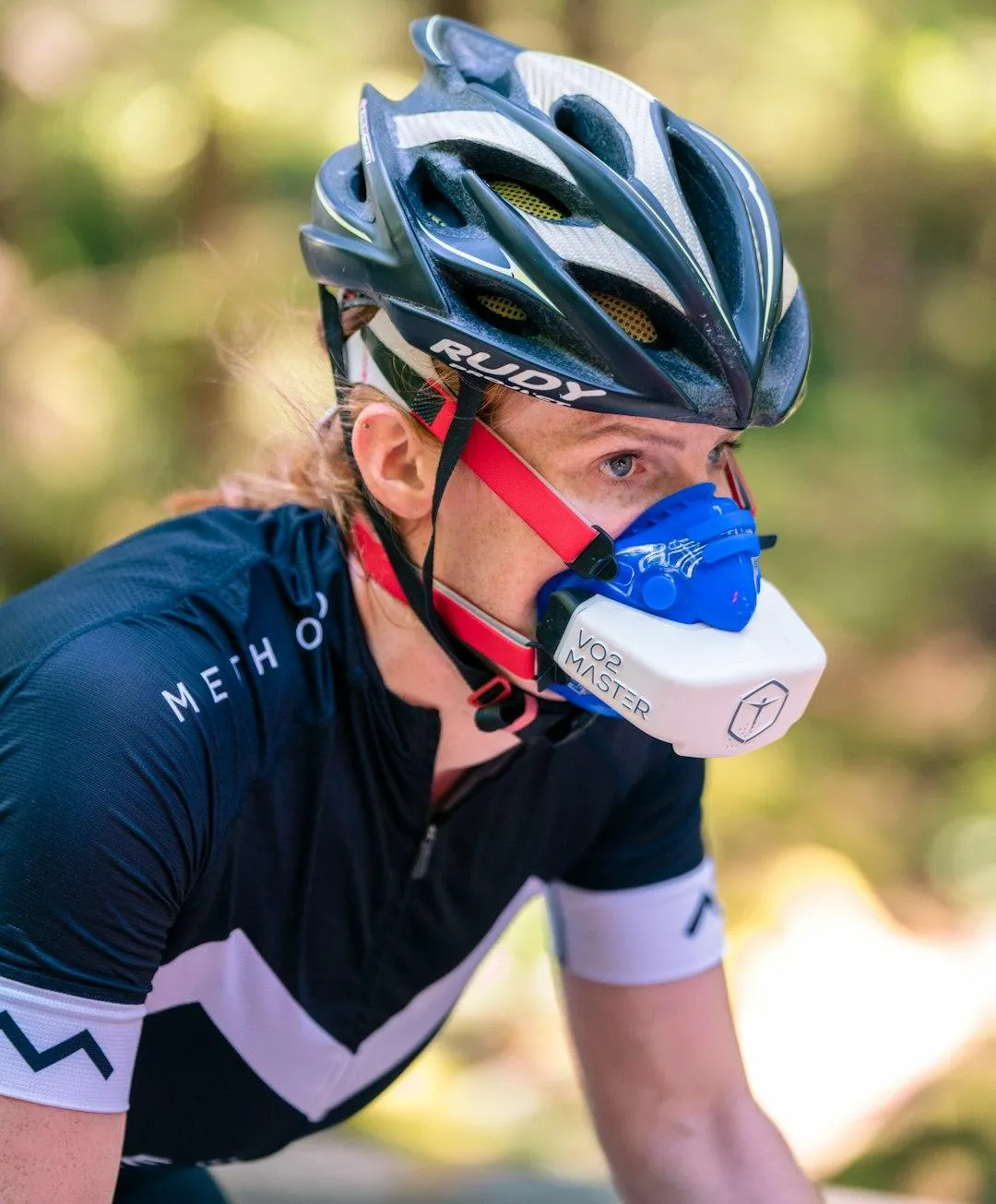
At Resist RX, we use the VO₂ Master Analyzer, one of the most advanced and portable metabolic testing tools available, to measure your true cardio-respiratory capacity. The assessment is simple, safe, and highly precise. You’ll wear a lightweight mask that analyzes every breath while performing gradually increasing levels of effort. In just a few minutes, we can identify your cardiovascular age, performance ceiling, and the exact zones you need to train for peak longevity and conditioning.
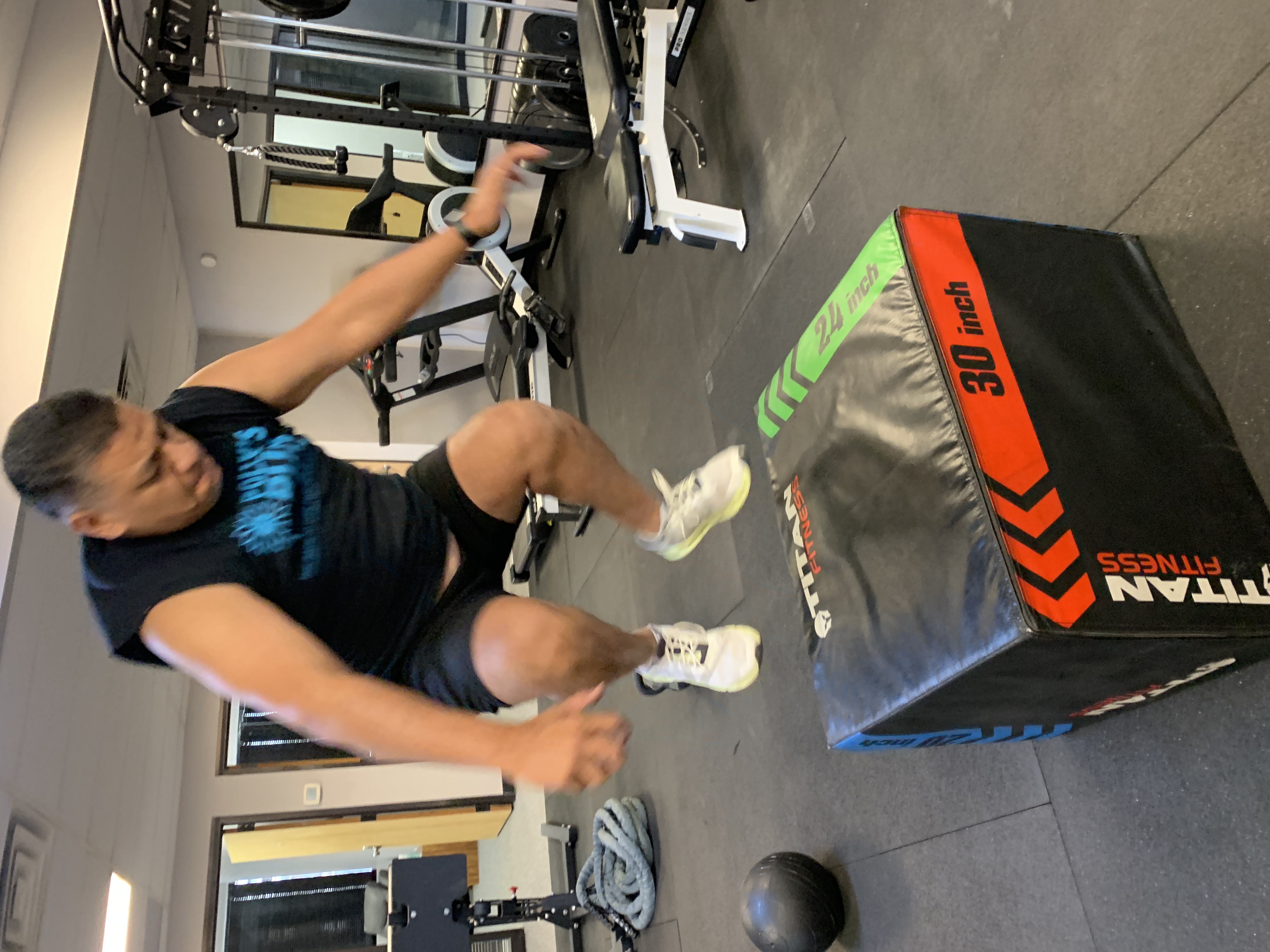
You will wear a heart rate strap and VO2 Master face mask.
The mask has a sensor that measures your Oxygen
You will start walking on the treadmill or bike to warm-up. We will gradually increase your intensity over a period of 10 to 20 minutes.
Your metabolic data will be available upon the completion of your assessment
You receive a consultation to review your results and answer any questions
The assessment takes about 30-45 minutes.
Call 505-226-6337 to schedule your assessment today
What Is A Good VO2 Max Score?
A good VO2 max depends on several factors, including: age group, sex, activity level, and elevation (such as in the mountains or at sea level). Your genetics, nutrition, and athletic training also play a role in your VO2 Max calculation.
Below are the average classifications of very poor, poor, fair, good, excellent and superior VO2 Max levels for men and women. These values are relative and expressed as ml/kg/min which takes body weight into consideration.
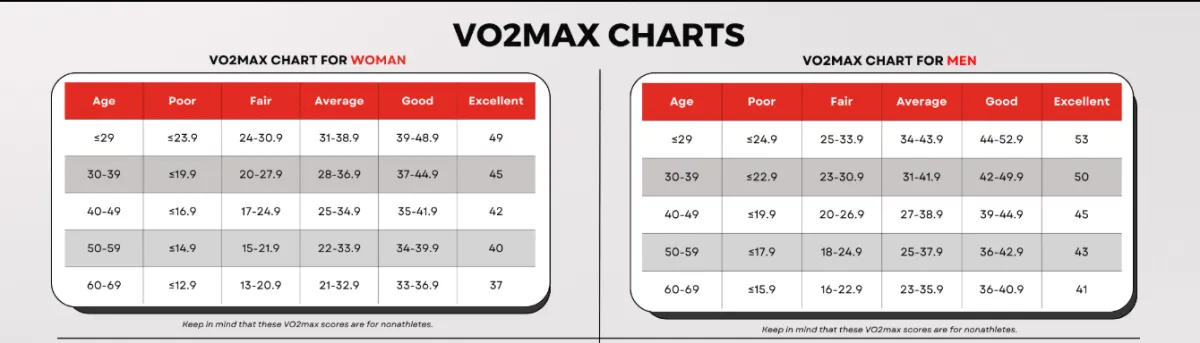
VO₂ max varies with body composition, altitude, sex, and training history. The chart is a reference baseline, not law.
Results vary. Use as reference only. normative data from fitness registries / peer-reviewed studies).
What Is The Best Way To Improve Your VO2
Improving your VO₂ Max is one of the most impactful ways to enhance your longevity, endurance, and overall cardiovascular health. The goal is simple: train your heart, lungs, and muscles to use oxygen more efficiently. With the right structure and the right zones, anyone can elevate their aerobic engine—regardless of age or fitness level. At Resist RX, we build these protocols from your exact data so every minute of training actually moves the needle.
How to Improve Your VO2 Max
Train in Zone 2 consistently (3–4 days per week for 30–45 minutes)
Add weekly VO₂ intervals (short, intense bursts above VT2)
Increase total weekly aerobic volume gradually
Strength train 2–3 days per week to improve oxygen utilization
Prioritize recovery and sleep, which directly affects adaptation
Retest every 8–12 weeks to track improvements and adjust your plan
The assessment takes about 30-45 minutes.
Call 505-226-6337 to schedule your assessment today
Ready to discover your true cardio age?
Schedule your VO2 Max Assessment Today.
Your VO₂ Max is one of the strongest predictors of longevity and performance—and the only way to truly improve it is to measure it first. Book your assessment today, or save significantly by purchasing one of our diagnostic bundles. With your personalized data in hand, we’ll show you exactly how to train smarter, perform better, and live longer, better.
CALL
505-226-6337
TO BOOK YOUR VO2 ASSESSMENT
TODAY!
Not sure if the VO2 Max is the right test for you?
Let's find out together.
Ask for a diagnostic consult when you call.
Which Diagnostic Test Should You Consider?
Bundle together and save.

Your entire body — measured in seconds.
Muscle, fat, visceral fat, hydration, and biological age.
Your true daily calorie burn.
Precision for fat loss, energy, and metabolic health.
Your exact fat-burning zone.
Optimize weight loss, metabolic flexibility, & endurance.
Your cardiovascular age and endurance capacity.
Know how fast you’re aging — and how fast you can improve.
Your real-world strength, mobility, and performance age. Identify weaknesses before they become injuries.
Your stress, recovery, and nervous system health.
Know if your body is overworked or thriving.
Committed to helping you achieve your health and wellness goals, we provide expert guidance and personalized support every step of the way. Let’s build a healthier, stronger you together.
Quick Links
Home
About Us
Services
Testimonials
FAQ's
Blog
Legal
Privacy Policy
Terms & Conditions
Licensing
Changelog
Privacy Policy | Term & Condition | FAQ
Copyright © 2024 Template Staging . All rights reserved